UWEBC Annual Conference Case Studies give attendees a closer look at how organizations are putting new ideas, technologies and strategies into practice. Presented by our incredible conference sponsors, these sessions highlight real-world challenges, solutions and lessons learned that can help inform your own decisions and spark new ideas to take back to your organization.
Case Studies are offered twice throughout the day, with multiple sessions happening concurrently. Choose the topics most relevant to you, and catch what you missed after the conference, when recorded sessions will be available for on-demand viewing.
Morning Sessions
The morning slot (9:45-10:05am) will feature the following sessions:
AI in Action at Komatsu: From ERP Foundation to Real Use Cases
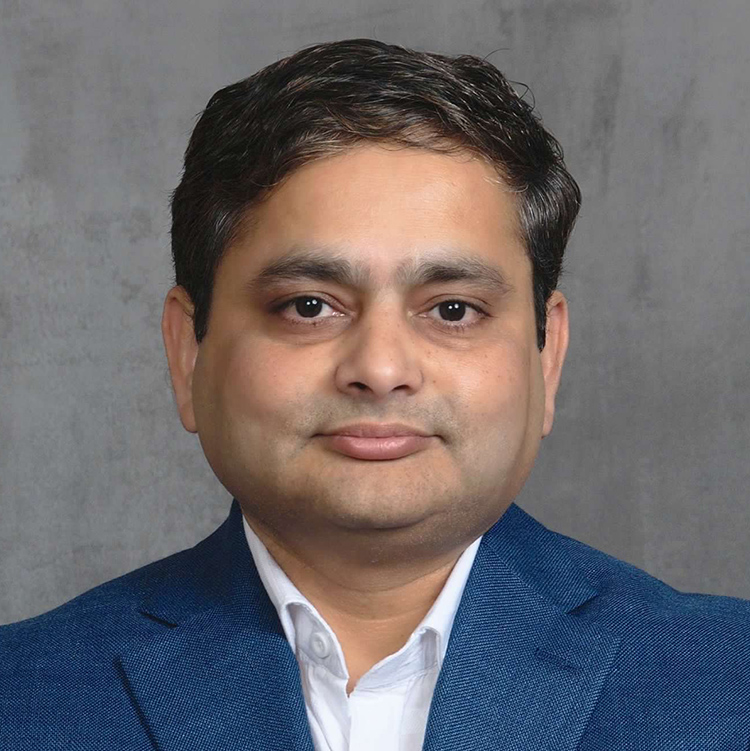
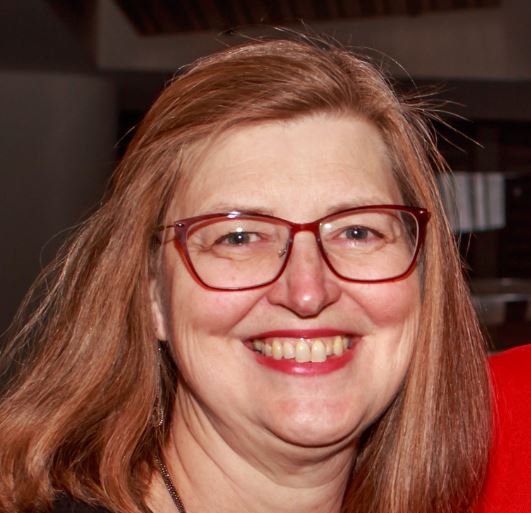
Featuring Yogesh Chawane and Kathy Rusch of Komatsu and Ryan Champlin of SAP
What does it take to actually put AI to work inside a large enterprise? For Komatsu — a global leader in construction, mining, and forestry equipment with major North American operations in Milwaukee and Chicago — the answer started with a hard look at their ERP landscape. After 30+ years of accumulated customizations across both SAP and non-SAP systems, they made a bold choice: rebuild from scratch. Their ongoing RISE with SAP S/4HANA transformation consolidates that legacy landscape onto a single, standardized platform — and the discipline they’ve built around data quality and process governance is exactly what’s making their AI ambitions a reality.
This session goes beyond the transformation story to show what AI looks like in practice, with multiple live demos. See how SAP’s Joule for Developers is already cutting development time by up to 30% while keeping the system clean and easy to update. Then see Joule for Business in action — a conversational AI interface that lets employees simply ask their ERP a question, from checking order status and approving purchases to finding account balances, reducing clicks and cutting training overhead across the business. A practical look at how one Midwest manufacturer is making AI real for both the technical and business sides of their organization.


Continuous Improvement Drives ERP Go-Live Success: Building A Scalable & Resilient Operating Model
Featuring Gerald Jackson, Vice President Supply Chain Product Strategy & Chief Evangelist, Oracle, Sara D’Ambrose
Join Oracle and Sara D’Ambrose, Director of Supply Chain at Milwaukee Tool as she shares the approach her organization, a fast-growing manufacturer, took to unify processes and ERP capabilities across sites that had operated on separate systems. Attendees will learn how a phased go-live strategy, clear governance, and an ADKAR-based change plan reduced implementation risk while creating a common process template for future growth. The session will offer practical takeaways for engaging SMEs and implementation owners, differentiating playbooks from work instructions, supporting adoption through UAT, train-the-trainer programs, hypercare, and post-go-live office hours—and using adoption metrics, quarterly upgrades, AI, and end-to-end process improvement to make ERP transformation an ongoing capability rather than a one-time project.


AI Blind Spots: Why Ungoverned AI Is Your Biggest Enterprise Risk And How To Mitigate It

Featuring Ashish Maheshwari, Vice President – AI, Digital, and Cloud Services
The rise of autonomous AI agents is transforming business, but unexplained, disconnected deployments are creating chaos. These AI Blind Spots lead to runaway costs, compliance failures, and severe data vulnerabilities. This session breaks down the hidden dangers of “shadow AI” and provides a roadmap to fix it. Discover how to deploy centralized governance and real-time observability to ensure your AI agents operate securely, transparently, and completely aligned with enterprise standards.
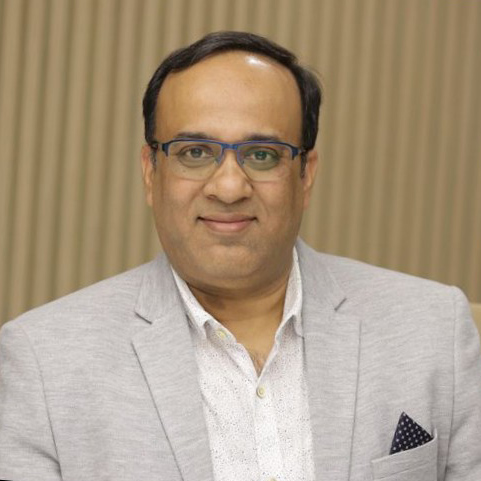
Ashish Maheshwari, Vice President – AI, Digital, and Cloud Services at YASH Technologies shares how enterprises can address AI blind spots, control risks and costs, and build trust. He emphasizes that effective governance is essential for scaling AI responsibly and achieving measurable business value.

From Ballrooms to Broadband: A Decade of Evolution in Event and Live Streaming Technology
Featuring Joey Wedel, Team Lead, Enghouse Video
For nearly 20 years, the Mediasite Events Team has supported the UWEBC annual conference, helping extend its reach through live streaming and video technology. This session explores how event technology, audience expectations, and production workflows have evolved from traditional in-person events to virtual and hybrid experiences, while staying focused on the same mission: making knowledge accessible to more people.
Following a brief presentation, attendees are encouraged to bring their questions, challenges, and experiences for an interactive AMA (Ask Me Anything) discussion on event technology, live streaming, audience engagement, and the future of events.

A Hundred AI Case Studies. The Same Story.

Featuring Bradley Clerkin, Head of Artificial Intelligence, ThoughtFocus
The projects started with different objectives: accelerate software delivery, make enterprise data usable, reduce manual work. Each had its own systems, constraints, and definition of success. Yet across ThoughtFocus’s enterprise AI delivery work, the same engineering requirement kept emerging.
Agents needed access to the right systems. Domain knowledge had to become explicit. Actions needed boundaries, results needed validation, and people needed a practical way to exercise judgment. Each project required a harness built around how that business actually worked.
This session examines that recurring pattern through examples from software delivery, data workflows, and business operations. We’ll trace the work from the initial business objective through the integration and validation problems that shaped the harness. We’ll examine what could be reused, what remained specific to the domain, and where human involvement was essential.
The same principle extends to AI in the physical plant, where equipment, operating conditions, and physical consequences make harness engineering more challenging. The machinery is rarely impressed by a well-written prompt.
Taken together, these projects tell one case study: how domain-specific harness engineering connects general-purpose AI to the work of an enterprise.
Afternoon Sessions
The afternoon slot (2:00-2:20pm) will feature the following sessions:
One Customer Journey, Many Systems: Building Connected AI Experiences
Featuring Anthony Delage, Staff Product Manager, Coveo
Customers don’t think about the systems behind an experience. They simply expect to find the right product, answer, or next step wherever their journey begins. But delivering that experience often depends on information spread across product catalogs, technical documentation, customer records, knowledge bases, and operational systems.
AI is raising expectations for faster, more natural, and more personalized interactions, making the gaps between those systems harder to ignore.
In this session, Coveo will share lessons from enterprises working to bring fragmented information together around customer intent. Drawing on real-world examples spanning product discovery and self-service, you’ll learn where to start, how to connect existing systems without replacing them, and how better findability can deliver value today while laying the foundation for grounded conversational and agentic experiences.
Building Resilient Supply Chains Through Multimodal Transportation
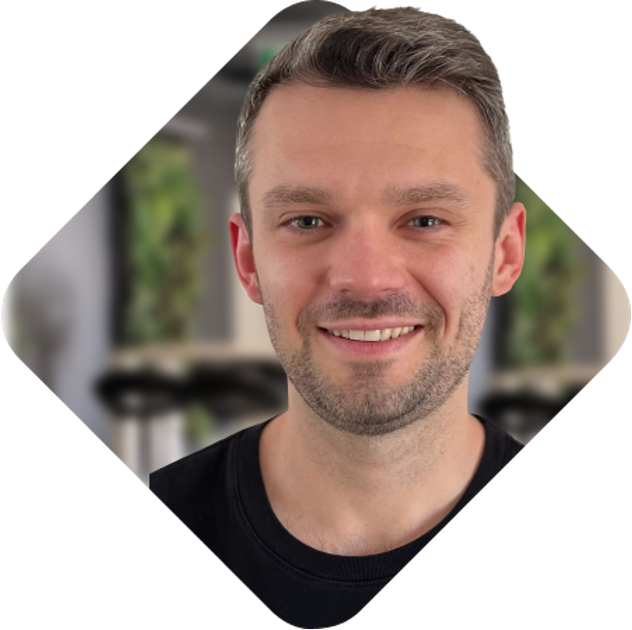
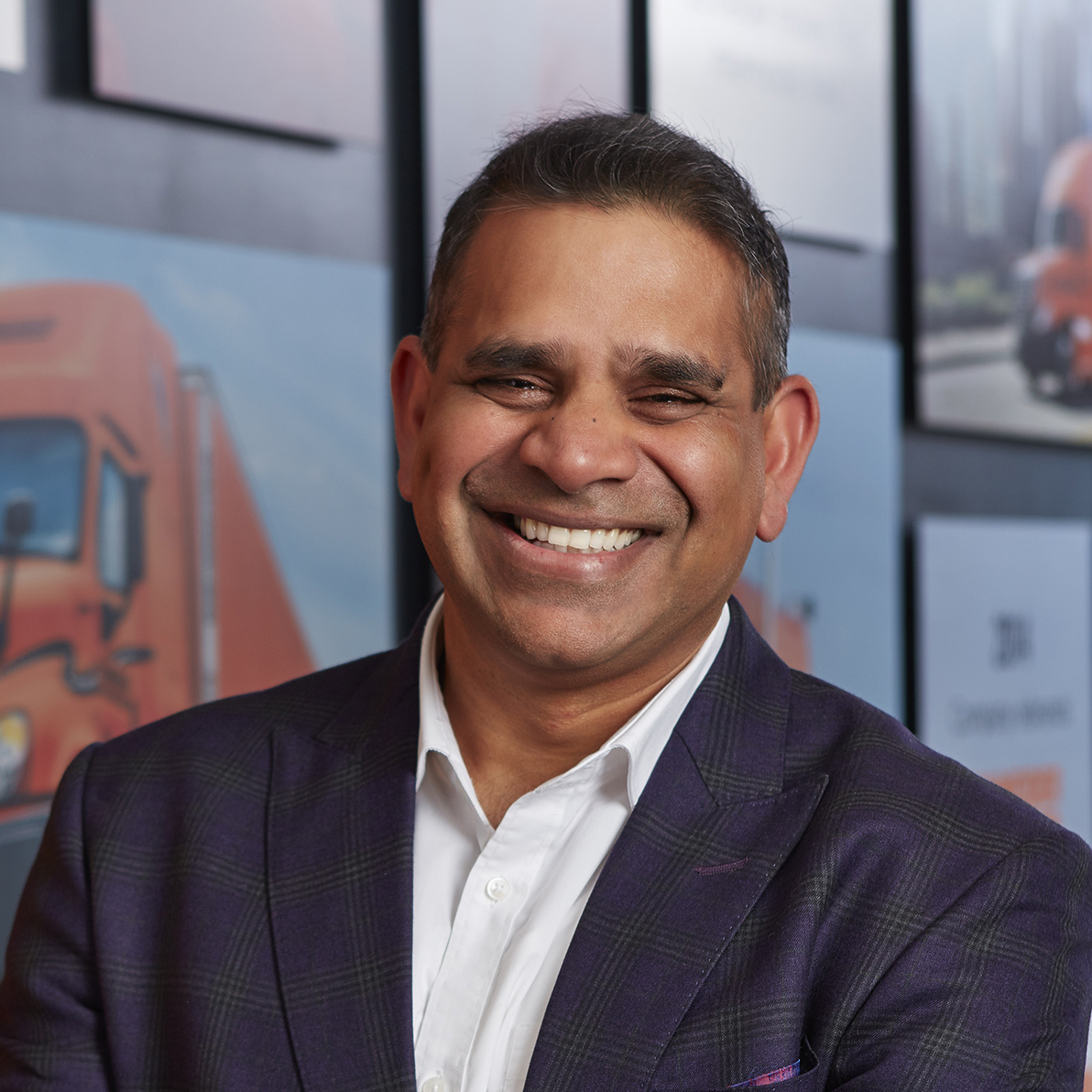
Featuring Haroon Syed, Vice President of Dedicated Services at Schneider
This case study highlights how strategic collaboration with a transportation provider can help shippers increase supply chain resilience, service reliability, and cost efficiency. By leveraging Schneider’s Capacity Stacking® model, organizations integrated multiple transportation modes and services into a unified strategy that adapted to changing business needs and market conditions. Across several customer examples, this collaborative approach delivered measurable improvements in capacity utilization, on-time performance, tender acceptance, and transportation savings, demonstrating the value of working with a provider capable of orchestrating flexible, multimodal solutions rather than operating as a single-service carrier.

Executing, Not Testing: Supply Chain AI in Daily Operations
Featuring Justin Rowe, Lead Solution Principal, RELEX Solutions
Most organizations have tried AI somewhere in their supply chain. Far fewer have it running where it matters, in the plans their teams execute every day. That gap is where the investment is disappearing.
This session offers a candid view of why 90% of AI pilots stall, and what separates the 10% who execute. Drawing on patterns across manufacturing and CPG, we’ll cover the four root causes that derail transformation, the five leadership disciplines that enable it, and the readiness factors that decide whether an investment holds. You’ll leave with a clear framework for deciding what to fund next and what to defer and how to execute.

You Manage Everything. Except This.
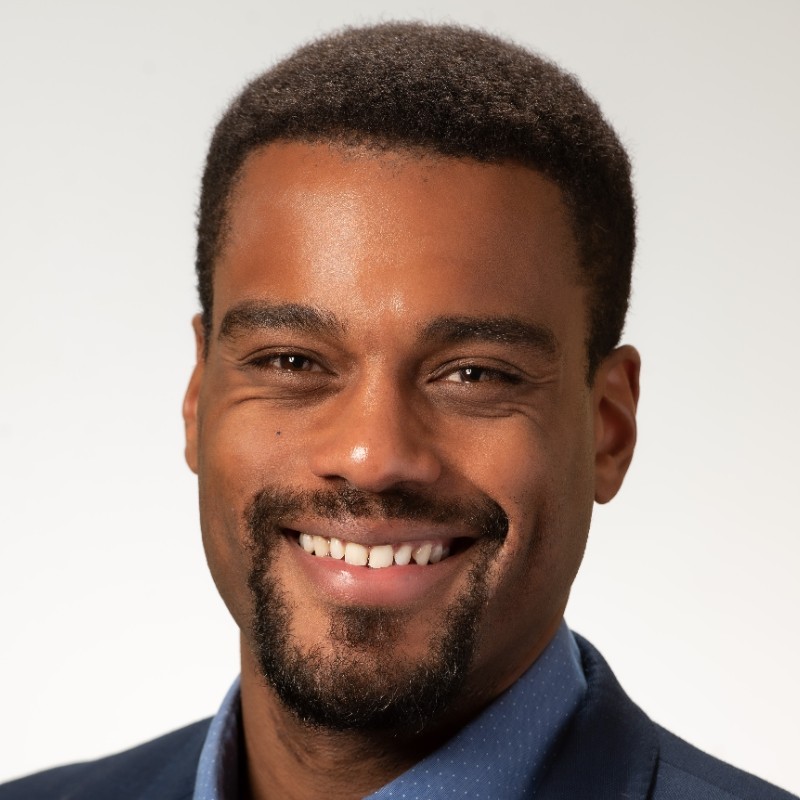
Featuring Stephen Pounds, Founder, President and CEO, Vadar Alpha
Your volume is set on one day, your cost on another, your price on a third. We follow a single order from quote to invoice and show what the market did between those dates.
That is the gap between the margin you planned and the margin you booked, on one order. Multiply it by a year of orders and you have the number you find out at month-end.
Most companies already manage buying, production, pricing and hedging together. They are still valued separately, each based on the day its decision is made. You leave knowing how each decision changes the value of the other three, so they can be priced as one decision rather than four.
Finding the Strategic Choices Your Competitors Can’t See

Featuring Arik Johnson, Founder and Chairman of Aurora WDC
Manufacturing leaders are making consequential decisions amid changing markets, new technologies, workforce challenges, supply chain uncertainty, and shifting competitive pressures. Too often, the conversation begins with the choices already in front of us: build or buy, invest here or there, pursue this market or that one.
But what if the best option isn’t one you’ve considered yet?
We’ll explore how leaders can challenge assumptions, expand the range of strategic choices they consider, and uncover opportunities or risks that conventional analysis may miss. AuroraWDC will share a practical approach to finding, evaluating, and de-risking strategic options before committing to a path forward.